
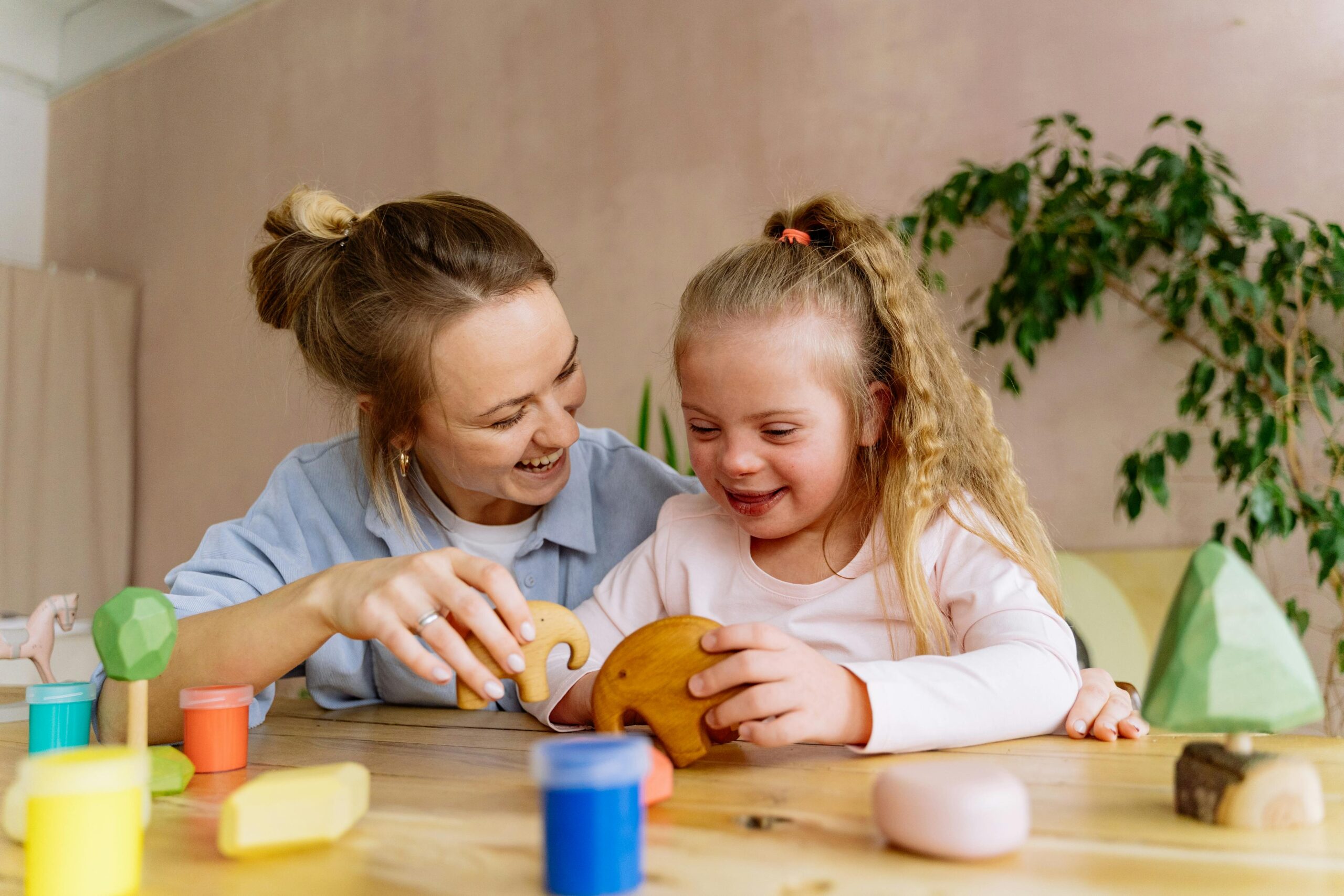
Exploring the reasons behind children’s eye contact behaviors.
Is eye contact important? What if I told you that just because I’m not looking at you, it doesn’t mean that I’m not listening? In this issue, we dive into the complexities of eye contact, particularly in children on the autism spectrum or those with speech and language delays.
The Many Reasons Behind Eye Contact Avoidance
Research suggests several reasons why children may look away during interactions.
1. Processing Information: Just like adults, when children are trying to remember something, they might naturally look away to concentrate. It’s a way of organizing their thoughts.
2. Sensory Overload: For some autistic children, direct eye contact can feel overwhelming or uncomfortable due to the way they process sensory and social information.
3. Natural Interaction Styles: Some children simply do not prioritize looking into someone’s eyes when interacting. It’s vital to understand that not all children feel the need for eye contact to engage.
An Experiment in Focus
Consider this: think about what you had for dinner three nights ago. Did you notice something? Maybe you looked up, down, or away while trying to remember. This behavior illustrates how looking away can help us concentrate and organize our thoughts. Now, imagine being a child still learning to understand language and process questions. Adding the demand for eye contact can be overwhelming.
How to Foster Connection
Instead of insisting on direct eye contact, try these approaches:
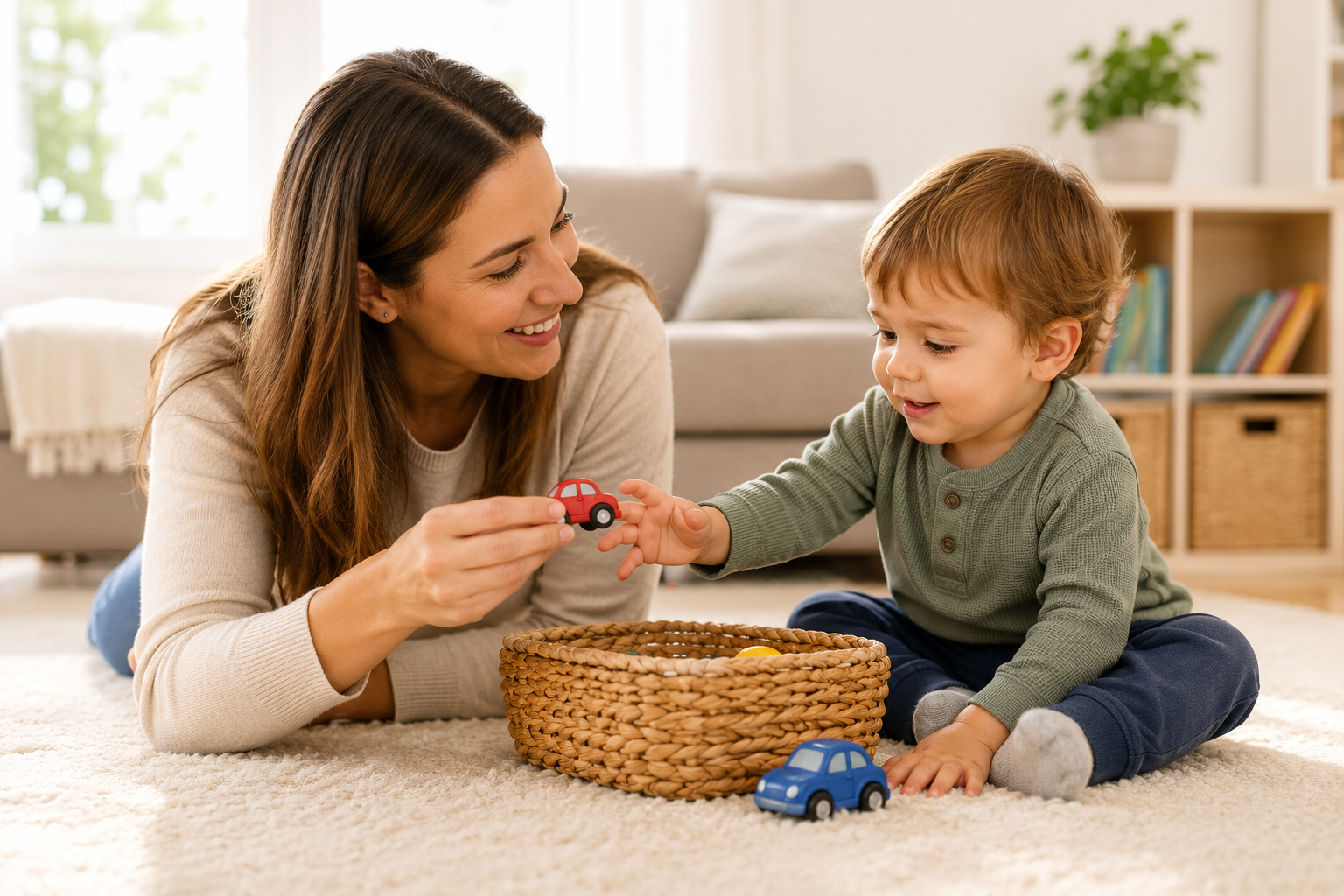
– Join your child in their activities, whether it’s playing with cars, bubbles, or blocks.
– Follow their interests and engage in what they love.
– Allow them the time to respond without pressure to maintain eye contact.
Communication can take many forms—a smile, a gesture, a sound, or even bringing a favorite toy. These are all valid ways for children to connect. Remember, eye contact is just one part of communication; it doesn’t define it.
A Shift in Perspective
Instead of asking, “How do I get my child to look at me?” consider asking, “How can I help my child connect and communicate comfortably?” Every child has unique strengths. Let’s work together to discover them.
See you next time on Playtime with Milo! Remember, communicate to love and love to communicate.


Leave a Reply