
Speech Delay vs. Late Talker: What’s the Difference?
One of the most common questions parents ask is:
“My child isn’t talking as much as other children their age. Should I be worried?”
As a Speech-Language Pathologist with more than 30 years of experience in early intervention, I’ve worked with many families who are unsure whether their child is simply a “late talker” or experiencing a speech and language delay.
While these terms are often used interchangeably, they are not always the same thing. Understanding the difference can help parents make informed decisions and seek support when needed.
What Is a Late Talker?
A late talker is a child who develops language later than expected but is otherwise developing typically.
Late talkers generally:
- Understand language well for their age
- Follow directions
- Use gestures such as pointing and waving
- Engage socially with family members
- Show interest in communicating
- Demonstrate age-appropriate play skills
Although they may have a limited vocabulary compared to peers, many late talkers eventually catch up to their peers without long-term language difficulties.
For example, a two-year-old who only says 20 words but understands everything their parents say, points to desired objects, and enjoys social interaction may be considered a late talker.
What Is a Speech or Language Delay?
A speech or language delay occurs when a child’s communication skills are developing more slowly than expected and may affect multiple areas of communication.
Children with communication delays may have difficulty:
- Understanding language
- Following directions
- Using gestures
- Interacting socially
- Learning new words
- Combining words into phrases
- Expressing wants and needs
Some children may struggle primarily with speech sounds, while others may experience broader language difficulties involving both understanding and expressing language.
Signs That May Indicate a Language Delay
While every child develops at their own pace, consider consulting a professional if your child:
By 12 Months
- Does not babble regularly
- Rarely responds to their name
- Uses few gestures such as waving or pointing
By 18 Months
- Has fewer than 10 meaningful words
- Struggles to imitate sounds or words
- Has difficulty following simple directions
By 24 Months
- Uses fewer than 50 words
- Is not combining two words together
- Has difficulty communicating wants and needs
- Shows limited interest in interacting with others
At Any Age
- Loses previously acquired language skills
- Rarely makes eye contact
- Shows limited joint attention
- Appears frustrated when trying to communicate
Why Early Intervention Matters
One of the biggest misconceptions I hear is:
“Let’s wait and see if they grow out of it.”
While some children do catch up naturally, waiting can sometimes delay access to valuable support during a critical period of development.
The early years are when children’s brains are growing and learning at an incredible rate. Early intervention helps families learn strategies that support communication during everyday routines and play.
Seeking an evaluation does not mean something is wrong with your child. It simply provides information and guidance so you can make the best decisions for your family.
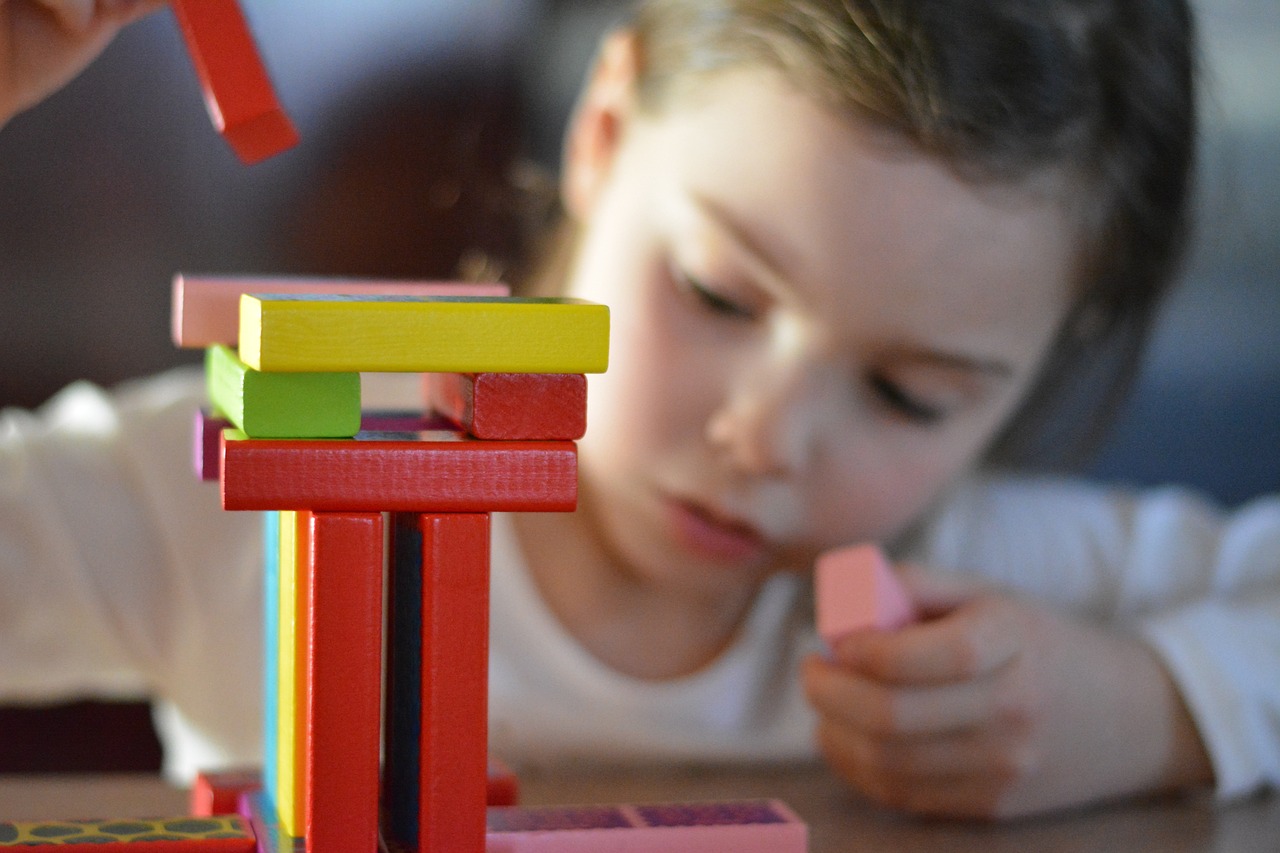
How Play Supports Communication
Children learn best when they are engaged, interested, and having fun.
That’s why I have always focused on play-based learning in my work as a Speech-Language Pathologist.
Communication develops naturally when children:
- Make choices
- Take turns
- Share attention with others
- Explore activities they enjoy
- Feel successful and confident
When we follow a child’s interests and build on their strengths, we create meaningful opportunities for communication.
Focusing on Strengths
One of the most important lessons I’ve learned over the years is that every child has strengths.
Some children are visual learners. Some are hands-on learners. Some love movement, music, nature, or problem-solving.
When we identify and nurture those strengths, children become more confident communicators and learners.
Instead of focusing solely on what a child cannot do yet, we can celebrate what they can do and use those strengths as a bridge to new skills.
When Should You Seek Help?
If you have concerns about your child’s communication development, trust your instincts.
You do not need to wait for someone else to notice a problem.
A consultation with a Speech-Language Pathologist can provide reassurance, guidance, and practical strategies to support your child’s growth.
Whether your child is a late talker or experiencing a communication delay, early support can make a meaningful difference.
Final Thoughts
Every child develops at their own pace, but communication is too important to leave to chance.
If you’re wondering whether your child is a late talker or experiencing a speech delay, remember that asking questions and seeking information is a positive first step.
The goal is never to label a child—it’s to understand how they learn and communicate so we can help them thrive.
At MILO Bear, we believe every child has unique strengths worth celebrating. Through play, connection, and meaningful communication opportunities, children can build confidence, relationships, and a lifelong love of learning.
Play. Learn. Grow.
Resource:
If you have concerns and would like your child evaluated, in New York, please click here: https://www.health.ny.gov/community/infants_children/early_intervention/