Simple, Play-Based Ways to Build Language Every Day
Looking for easy ways to encourage your toddler’s communication skills? Discover 10 fun, play-based activities that help build language, social interaction, and confidence through everyday play.
One of the questions I hear most often from parents is:
“What can I do at home to help my toddler communicate more?”
The good news is that communication doesn’t require expensive programs, flashcards, or hours of structured instruction. Children learn language best through meaningful interactions with the people who care about them.
As an Early Intervention Speech-Language Pathologist, I’ve spent more than 30 years helping families discover simple ways to encourage communication through everyday play.
Here are ten easy activities you can begin using today to support language development, social interaction, and confidence.
Activity #1: Tea Party Conversations
What You’ll Need
• Play dishes
• Toy food
• Stuffed animals or dolls
How to Play
Set up a pretend tea party and encourage your child to serve food and drinks.
Model simple phrases such as:
• More juice.
• My turn.
• Yummy!
• Drink please.
Communication Skills Developed
• Vocabulary
• Turn-taking
• Requesting
• Social interaction
Why It Works
Pretend play encourages children to practice turn-taking, requesting, social interaction, and vocabulary development in a fun and meaningful way.
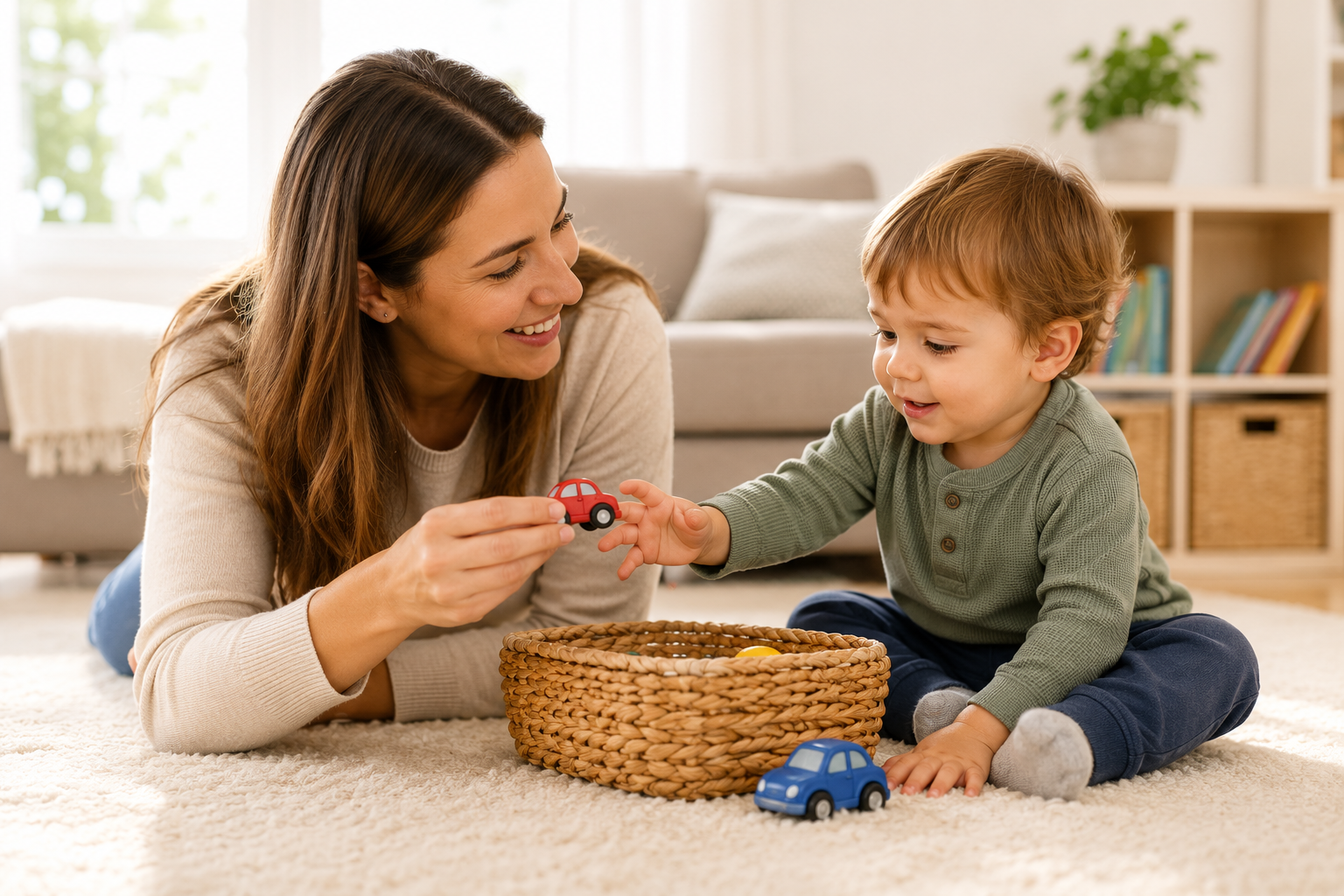
Activity #2: Choice-Making Games
What You’ll Need
Two preferred toys, books, or snacks.
How to Play
Hold up two items and ask:
“Do you want the ball or the car?”
Wait for your child to point, look, gesture, or verbalize their choice.
Communication Skills Developed
• Expressing wants and needs
• Decision-making
• Vocabulary development
• Joint attention
Why It Works
Making choices motivates children to communicate because they have a meaningful reason to express themselves.
Parent Tip
Resist the urge to guess immediately. Giving children time to respond creates valuable communication opportunities.
Activity #3: Read Together Every Day
What You’ll Need
Picture books.
How to Play
Instead of reading every word, talk about the pictures.
Ask:
• What’s that?
• Where’s the dog?
• What is the baby doing?
• What do you think happens next?
Communication Skills Developed
• Vocabulary
• Listening skills
• Story comprehension
• Question answering
Why It Works
Books expose children to new words, ideas, and concepts while creating opportunities for meaningful interaction.
Activity #4: Bubble Play
What You’ll Need
Bubbles.
How to Play
Blow bubbles and pause before blowing more.
Encourage your child to communicate through words, gestures, eye contact, or pointing.
Communication Skills Developed
• Requesting
• Turn-taking
• Cause and effect
• Early words
Why It Works
Bubbles are highly motivating for many children and naturally encourage communication.
Activity #5: Follow the Leader
How to Play
Take turns performing actions.
Examples:
• Clap hands
• Jump
• Spin
• Wave
• Stomp feet
Communication Skills Developed
• Following directions
• Action words
• Motor imitation
• Listening skills
Why It Works
Imitation is one of the foundational skills children use when learning language.
Activity #6: Nature Walk Language Hunt
What You’ll Need
A backyard, park, or neighborhood walk.
How to Play
Look for birds, flowers, leaves, bugs, rocks, and clouds.
Talk about what you see together.
Communication Skills Developed
• Vocabulary expansion
• Descriptive language
• Categorization
• Question answering
Why It Works
Children are naturally curious about the world around them. Talking about what they observe expands language and encourages conversation.
Activity #7: Feelings Faces
What You’ll Need
Pictures of emotions or a mirror.
How to Play
Practice making different facial expressions and talk about situations that make people feel happy, sad, angry, or surprised.
Communication Skills Developed
• Emotional vocabulary
• Self-expression
• Social understanding
• Perspective taking
Why It Works
Understanding emotions helps children communicate their feelings and better understand others.
Activity #8: Sing Songs Together
Great Choices
• Wheels on the Bus
• Old MacDonald
• If You’re Happy and You Know It
• Twinkle, Twinkle Little Star
How to Play
Pause before a familiar word and wait for your child to fill in the blank.
Communication Skills Developed
• Listening
• Memory
• Vocabulary
• Early sentence building
Why It Works
Music and repetition help children learn language patterns naturally.
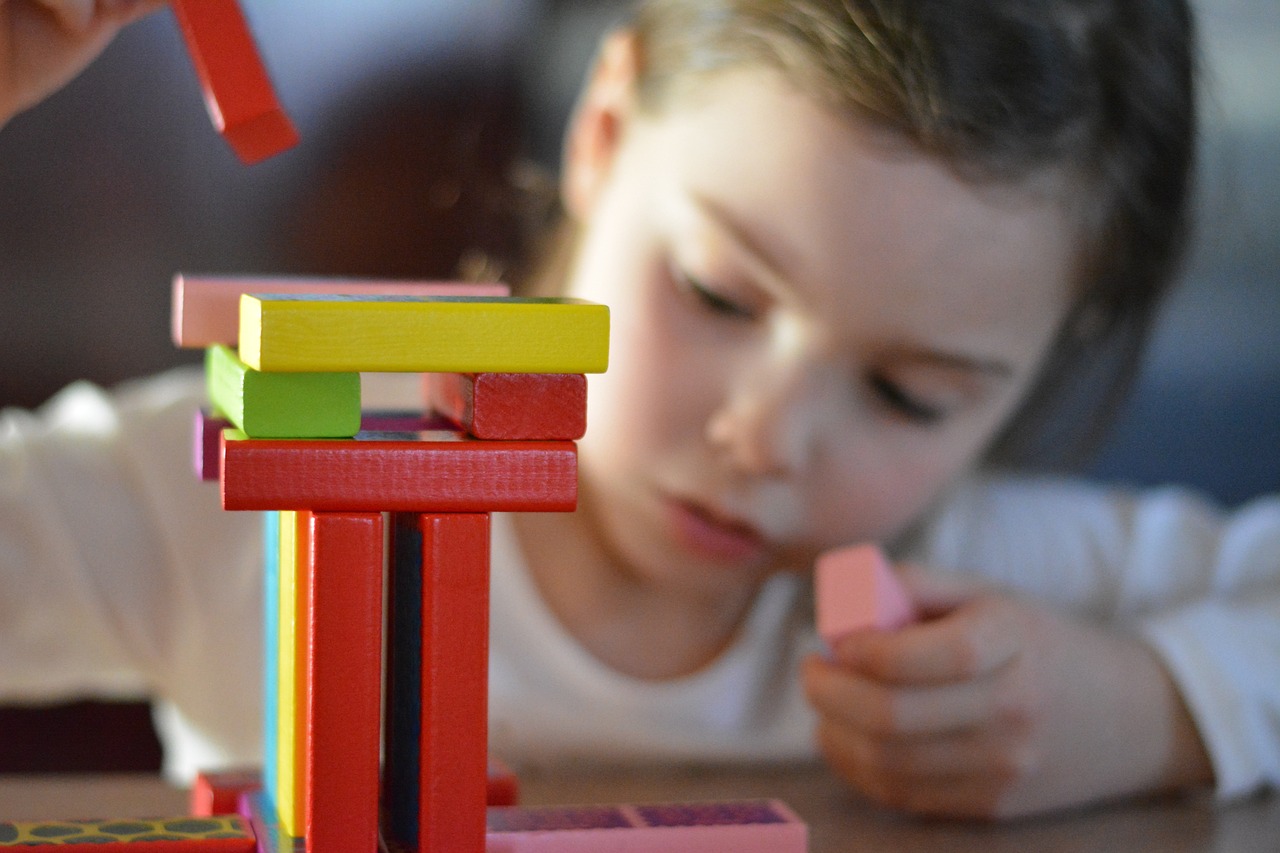
Activity #9: Building and Block Play
What You’ll Need
Blocks or stacking toys.
How to Play
Build towers together and model words such as:
• Up
• Down
• Big
• Small
• More
• Crash!
Communication Skills Developed
• Spatial concepts
• Problem-solving
• Descriptive language
• Turn-taking
Why It Works
Building activities naturally encourage conversation while introducing important concepts and vocabulary.
Activity #10: Treasure Bag Mystery Game
What You’ll Need
A bag and several familiar objects.
How to Play
Place objects inside the bag and let your child pull them out one at a time.
Talk about:
• What it is
• What color it is
• What it does
• Where you use it
Communication Skills Developed
• Vocabulary
• Describing
• Categorization
• Conversation
Why It Works
Children enjoy surprises, making this activity highly engaging while encouraging language development.
Why Play Matters
Children learn language best when they are engaged, interested, and having fun.
The most effective communication opportunities often happen during everyday routines—not at a table completing worksheets.
When we follow a child’s interests and build on their strengths, communication becomes meaningful and enjoyable.
Every interaction becomes an opportunity to:
• Build vocabulary
• Encourage social connection
• Practice turn-taking
• Develop confidence
• Strengthen relationships
Final Thoughts
Communication development doesn’t happen in a single therapy session or through memorization. It grows through thousands of meaningful interactions between children and the people who love them.
The best communication activities are often the simplest ones—reading together, taking turns, exploring nature, singing songs, and engaging in imaginative play.
By incorporating activities like these into your daily routine, you can create natural opportunities for language learning while strengthening your relationship with your child.
Every child develops at their own pace and has unique strengths. When we follow a child’s interests and create enjoyable opportunities for interaction, communication becomes meaningful, motivating, and fun.
Remember, if you have concerns about your child’s communication development, trust your instincts and seek guidance from a qualified Speech-Language Pathologist. Early support can make a meaningful difference.
Play. Learn. Grow.
About the Author
Jennifer Cavallo, MA, CCC-SLP, is an Early Intervention Speech-Language Pathologist with more than 30 years of experience helping children and families build communication skills through play-based learning. She specializes in working with young children with speech and language delays, motor planning challenges, sensory differences, and autism spectrum disorders.
Jennifer is passionate about helping parents discover practical strategies they can use every day to support communication, learning, and confidence.