Today I’m sharing how and why Milo was created and why strengths-based play can completely change how children learn to communicate. So, I want to tell you a little story about myself and how Milo came to be. Once upon a time, there was a 20-year-old girl who started her career as an early intervention special education teacher and then went back to school for her master’s in speech pathology.
About Me
As a seasoned therapist with over 30 years of experience working with children aged birth to three years old, I’ve spent countless hours in homes, daycare centers, and preschools, witnessing the transformative power of communication. I co-own a parent-child social language group called The Power of Play Groups, where I strive to create meaningful moments in children’s development. My journey in this field has shaped my understanding of how children learn best, especially through play.
Why Strengths-Based Play Matters
I’ve always been on the hunt for toys, activities, and songs that could really hold a child’s attention while also being simple enough for parents to use at home. One crucial aspect of language development is choice-making. When children make choices, they feel empowered, and those choices naturally invite communication—whether that’s nonverbal communication like pointing or gesturing, or using words. But, I found a common challenge in my sessions: children often grabbed for multiple toys, missing out on the chance to communicate.
The Problem with Traditional Approaches
Children with speech-language delays often become self-reliant and avoid communication because it’s difficult for them. Allowing them to dive into my bag of toys meant missing key opportunities for interaction. This led me to ponder: What if the toy itself could encourage slower, more intentional communication? That’s when the idea for Milo was born.
Introducing Milo: The Teddy Bear with a Purpose
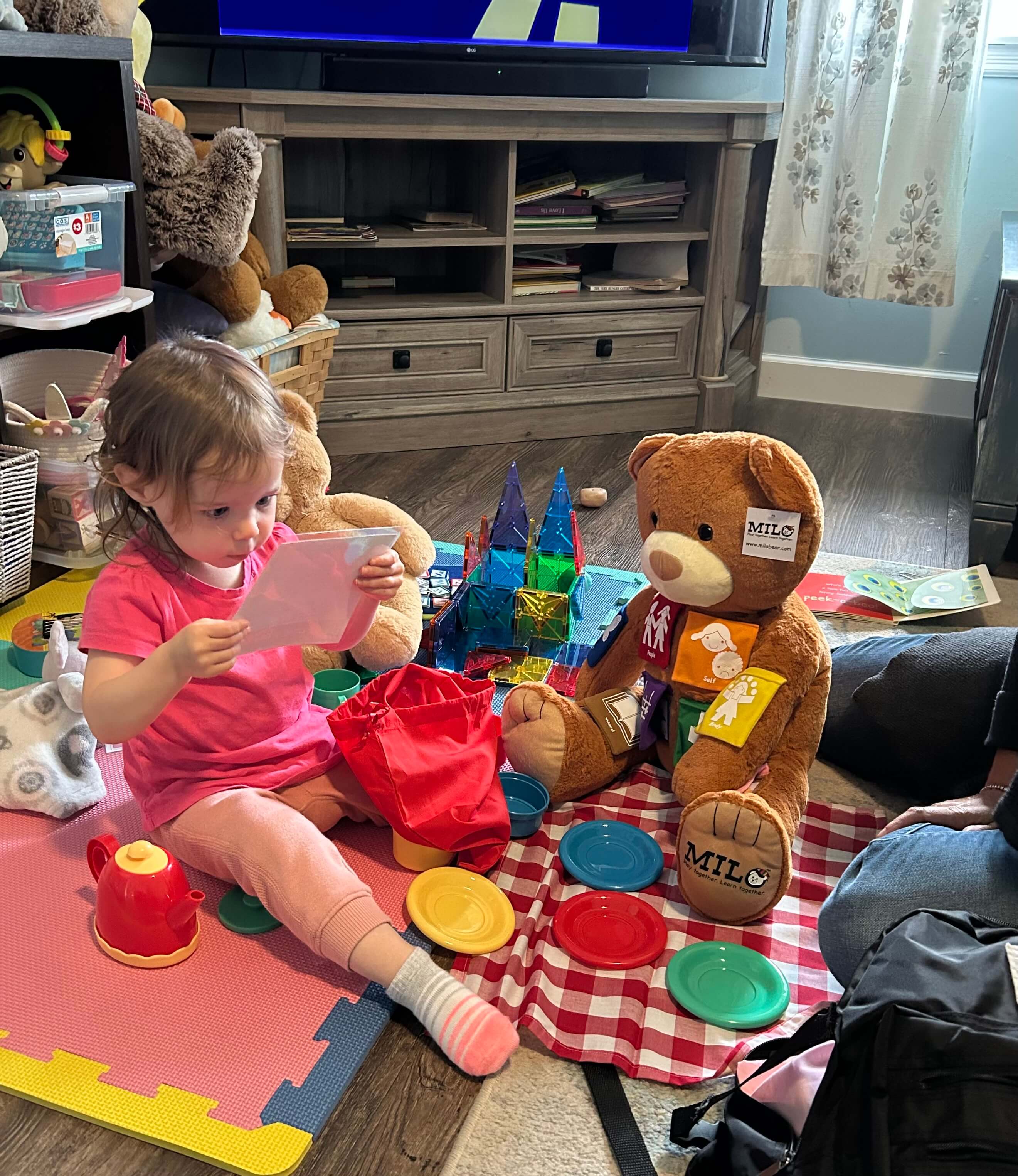
Milo is not just a teddy bear; it’s a tool designed to encourage communication through play. Each pocket of Milo contains a picture of a toy or activity. When a child wants a toy, they must point, make a sound, or gaze at the picture long enough to create joint attention. This process fosters communication, even when it doesn’t look like typical interaction. The excitement in their eyes when they see Milo signals that playtime is about to begin, and they are making meaningful choices.
The Impact on Memory and Communication
Interestingly, as children engage with Milo, they not only enhance their communication skills but also develop memory skills. From session to session, they remember which toys are in which pockets. More importantly, I noticed that children gravitated toward toys they could engage with creatively and successfully, which allowed them to choose based on their strengths.
Understanding Multiple Intelligences
This realization led me to explore Howard Gardner’s theory of multiple intelligences. Children have different strengths—be it word smart, body smart, or nature smart. Identifying these strengths early on can guide us in helping children grow in areas that may be more challenging for them. By placing intelligence pictures on Milo’s pockets, we teach parents to recognize their child’s strengths and to structure activities around them.
Building Confidence Through Strengths
Every child has strengths that deserve to be nurtured and celebrated. When they feel confident in what they excel at, they are more willing to try new things that may not come as easily. For parents, especially those of children with special needs, Milo shifts the focus from what a child isn’t doing to what they can do. This approach fosters meaningful connections and celebrates the unique genius in every child.
Milo’s Versatility: For All Ages
Originally designed for children ages 18 months to three years old, Milo has proven to be adaptable for children aged four to seven as well. This YouTube channel serves as a platform for sharing my insights and strategies with therapists and parents alike. I aim to demonstrate effective therapy strategies, helping you spot strengths and guiding you through early development in a way that feels doable and hopeful.
Your Next Steps
Remember, you are not alone, and this community is here to support you.
Thank you
Jennifer Cavallo, M.A. CCC-SLP